LADY HELEN CHILD HEALTH FOUNDATION (LHCHF)
CHILD PROTECTION AND SAFEGUARDING GUIDELINES
Lorem ipsum dolor sit amet, consectetur adipiscing elit. Ut elit tellus, luctus nec ullamcorper mattis, pulvinar dapibus leo.
Introduction
The Lady Helen Child Health Foundation (LHCHF) is committed to ensuring that every child engaged through its programme, projects, partnerships, and activities is protected from abuse, neglect, exploitation, violence, and all forms of harm.
LHCHF recognizes that safeguarding children is a shared responsibility. Every person representing the Foundation—including staff, volunteers, interns, consultants, contractors, partners, and visitors—has a duty to protect children and to promote environments where they are safe, respected, heard, and able to thrive.
These Guidelines establish the minimum standards and procedures for preventing, identifying, reporting, and responding to child protection concerns across all LHCHF programme.
Purpose
These Guidelines are intended to:
- Protect children from abuse, neglect, exploitation, violence, and harm.
- Establish a consistent safeguarding framework across all LHCHF programmes.
- Promote a culture of prevention, vigilance, and accountability.
- Define safeguarding roles and responsibilities.
- Provide guidance on responding appropriately to child protection concerns.
- Ensure compliance with national laws and international safeguarding standards.
Objectives
These Guidelines seek to:
- Prevent abuse and harm through safe organizational practices.
- Promote safe environments for every child engaged by LHCHF.
- Establish clear behavioral expectations for all representatives of LHCHF.
- Strengthen early identification of safeguarding risks.
- Ensure prompt reporting and effective management of child protection concerns.
- Protect children from further harm during investigations and response.
- Promote confidentiality, professionalism, and accountability.
- Strengthen safeguarding awareness through continuous training and supervision.
Expected Outcomes
Implementation of these Guidelines will contribute to:
- Safer environments for children.
- Reduced safeguarding risks.
- Improved safeguarding awareness.
- Timely identification of abuse and neglect.
- Prompt reporting and response to safeguarding concerns.
- Increased accountability across LHCHF programmes.
- Strong public confidence in LHCHF’s child protection systems.
Guiding Principles
Child safeguarding within LHCHF shall be guided by the following principles:
- The Best Interests of the Child
- Do No Harm
- Zero Tolerance for Abuse and Exploitation
- Respect for Children’s Rights
- Non-Discrimination
- Child Participation
- Confidentiality
- Professional Integrity
- Accountability
- Timely Reporting
- Survivor-Centered Response
- Partnership and Shared Responsibility
Scope
These Guidelines apply to:
- Board Members
- Employees
- Volunteers
- Consultants
- Interns
- Contractors
- Researchers
- Students on placement or Interns
- Visitors
- Implementing partners
- Service providers acting on behalf of LHCHF
The Guidelines apply in every setting where LHCHF representatives interact directly or indirectly with children, including:
- Hospitals
- Residential care homes
- Schools
- Communities
- Outreach programmes
- Health campaigns
- Research activities
- Digital platforms
- Training programmes
- Virtual engagements
Understanding Child Protection and Safeguarding
For the purpose of these Guidelines:
Child Protection refers to actions taken to protect children from abuse, neglect, exploitation, violence, and harmful practices.
Child Safeguarding refers to the policies, procedures, systems, and organizational practices implemented to prevent harm to children and ensure an effective response where concerns arise.
Safeguarding is everyone’s responsibility.
Forms of Child Abuse
All LHCHF representatives shall understand and recognize the following forms of abuse:
- Physical Abuse
Physical assault or deliberate injury, including hitting, kicking, shaking, burning, poisoning, or inappropriate restraint.
Possible indicators include unexplained injuries, repeated bruises, burns, fractures, or fear of adults.
- Emotional or Psychological Abuse
Persistent behavior that damages a child’s emotional development, including humiliation, intimidation, rejection, threats, isolation, or excessive criticism.
Possible indicators include anxiety, withdrawal, depression, aggression, low self-esteem, or developmental delays.
- Sexual Abuse
Any sexual activity involving a child, including grooming, inappropriate touching, sexual exploitation, exposure to pornography, or coercion.
Possible indicators include age-inappropriate sexual behavior, fear of particular individuals, unexplained injuries, or sudden behavioral changes.
- Neglect
Failure to provide adequate food, shelter, supervision, healthcare, education, emotional care, or protection.
Possible indicators include malnutrition, poor hygiene, untreated illnesses, chronic absenteeism, developmental delays, or lack of supervision.
- Exploitation
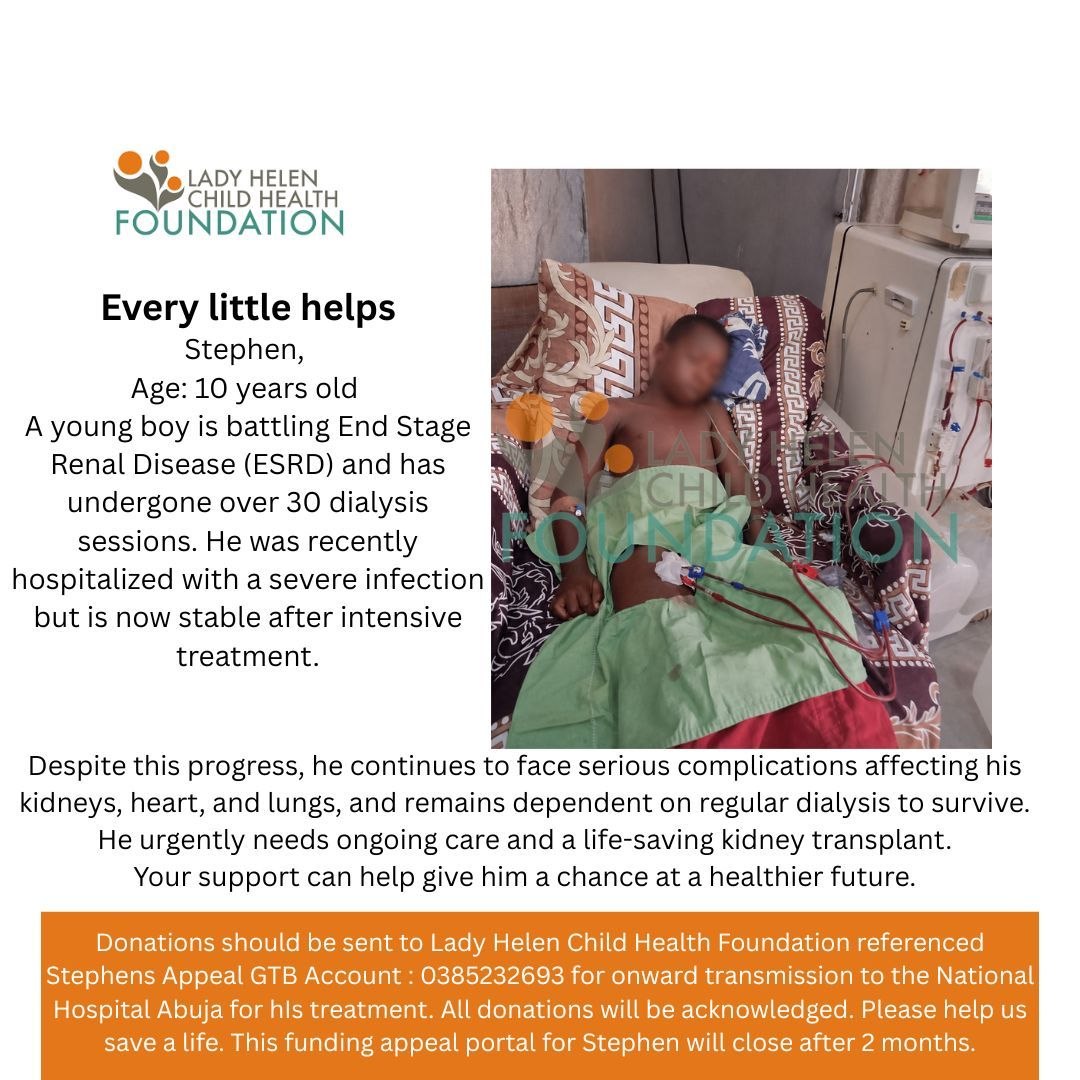
The use of a child for personal, financial, political, social, or commercial benefit, including child labor, trafficking, forced begging, or misuse of children’s images and stories.
Children Requiring Additional Protection
Particular attention shall be given to children who may be at increased risk, including:
- Children with disabilities.
- Children under five years of age.
- Children living in alternative care.
- Survivors of abuse or exploitation.
- Children living with chronic illnesses.
- Children affected by conflict or displacement.
- Children separated from their families.
- Children with behavioral or mental health challenges.
Standards of Conduct
All persons acting on behalf of LHCHF shall:
- Demonstrate professionalism and respect.
- Maintain appropriate professional boundaries.
- Work in open and observable environments.
- Use age-appropriate communication.
- Respect children’s dignity and privacy.
- Follow safeguarding procedures at all times.
- Immediately report safeguarding concerns.
Prohibited Conduct
The following conduct is strictly prohibited:
- Physical punishment.
- Emotional abuse or humiliation.
- Sexual contact or grooming.
- Discriminatory behavior.
- Bullying or intimidation.
- Private meetings without authorization.
- Sharing personal contact information.
- Personal communication with children through social media.
- Giving gifts or money to individual children without approval.
- Transporting children without authorization.
- Taking or sharing unauthorized photographs or videos.
- Sleeping in the same room or bed as a child.
- Favoritism or exclusive relationships.
Physical Contact
Physical contact shall always be:
- Appropriate
- Necessary
- Responsible
- Non-invasive.
- In the child’s best interests.
Contact that is unnecessary, prolonged, or capable of being misunderstood shall be avoided.
Photography, Media and Digital Safeguarding
Children’s privacy shall be protected at all times.
No representative of LHCHF shall:
- Use personal devices to photograph children.
- Record videos without authorization.
- Share children’s information online.
- Live stream activities involving children.
- Publish children’s identities without approved consent.
Only authorized communications personnel shall produce or publish images in accordance with LHCHF policies and applicable consent requirements.
Confidentiality
All safeguarding information shall be treated as confidential and shared only with authorized persons who require the information to protect the child or fulfil their professional responsibilities.
Responding to Safeguarding Concerns
Where abuse is suspected or disclosed, representatives shall:
- Ensure the child’s immediate safety.
- Remain calm.
- Listen carefully without judgment.
- Avoid asking leading questions.
- Record factual information promptly.
- Report immediately through the LHCHF safeguarding reporting procedures.
Representatives shall not investigate allegations or confront alleged perpetrators.
Reporting and Escalation
Every representative has a mandatory duty to report:
- Suspected abuse.
- Neglect
- Expliotation
- Unsafe environments.
- Grooming
- Bullying
- Safeguarding policy breaches.
- Inappropriate behavior by any staff member, volunteer, contractor, caregiver, partner, or visitor.
Failure to report safeguarding concerns may result in disciplinary action.
Non-Compliance
Any breach of these Guidelines may result in:
- Verbal or written warning.
- Removal from programme activities.
- Suspension
- Termination of employment, volunteer engagement, or partnership.
- Referral to relevant statutory or law enforcement authorities where appropriate.
Monitoring and Review
LHCHF shall regularly review these Guidelines to ensure continued compliance with national legislation, international standards, and organizational learning. Safeguarding incidents, training outcomes, and programme feedback shall inform periodic revisions.
References
These Guidelines should be read alongside:
- LHCHF Child Rights Guidelines
- LHCHF Vicarious Liability
- LHCHF Volunteer Standard Operating Procedures (SOP)
- Nigeria Child Rights Act, 2003 (and applicable State Child Rights Laws)
- Violence Against Persons (Prohibition) Act, 2015 (where applicable)
- United Nations Convention on the Rights of the Child (UNCRC)
- African Charter on the Rights and Welfare of the Child
Approval and Authorization
These LHCHF Child Protection and Safeguarding Guidelines are hereby approved and adopted as an official governance document of the Lady Helen Child Health Foundation (LHCHF). The Guidelines shall be implemented across all LHCHF programmes, projects, and activities involving children and shall be binding on all Board Members, staff, volunteers, interns, consultants, contractors, partners, and other persons acting on behalf of the Foundation.
This document shall remain in force until amended or replaced by a subsequent approved version.
Developed By
Administration & Corporate Services Directorate
Lady Helen Child Health Foundation (LHCHF)
10th July 2026
Under the supervision of:
Dr. Francisca Odeka B.Sc. Mass Comm., M.sc. Mass Comm., and Ph.D. Social Policy (Glasgow)
Operational Director Lady Helen Child Health Foundation
Approved By
Dr. Benjamin Odeka, MB DCH MA (healthcare Law) FRCP (London) FRCPCH
Consultant in Pediatrics & Health Care Governance
Chief Executive Officer (CEO)
Lady Helen Child Health Foundation (LHCHF)
Level 4 Trained in Safeguarding Children (UK)
Signature: ______
Date: _________24th July 2026_______
Document Control
Version: 1.0
Effective Date: _____24th July 2026____
Next Scheduled Review: Every 2 years or earlier where required by changes in legislation, organizational policy, or safeguarding best practice.
Document Custodian: Administration & Corporate Services Directorate
Approved by Resolution of: Lady Helen Child Health Foundation Management
Lorem ipsum dolor sit amet, consectetur adipiscing elit. Ut elit tellus, luctus nec ullamcorper mattis, pulvinar dapibus leo.